June 30, 2025
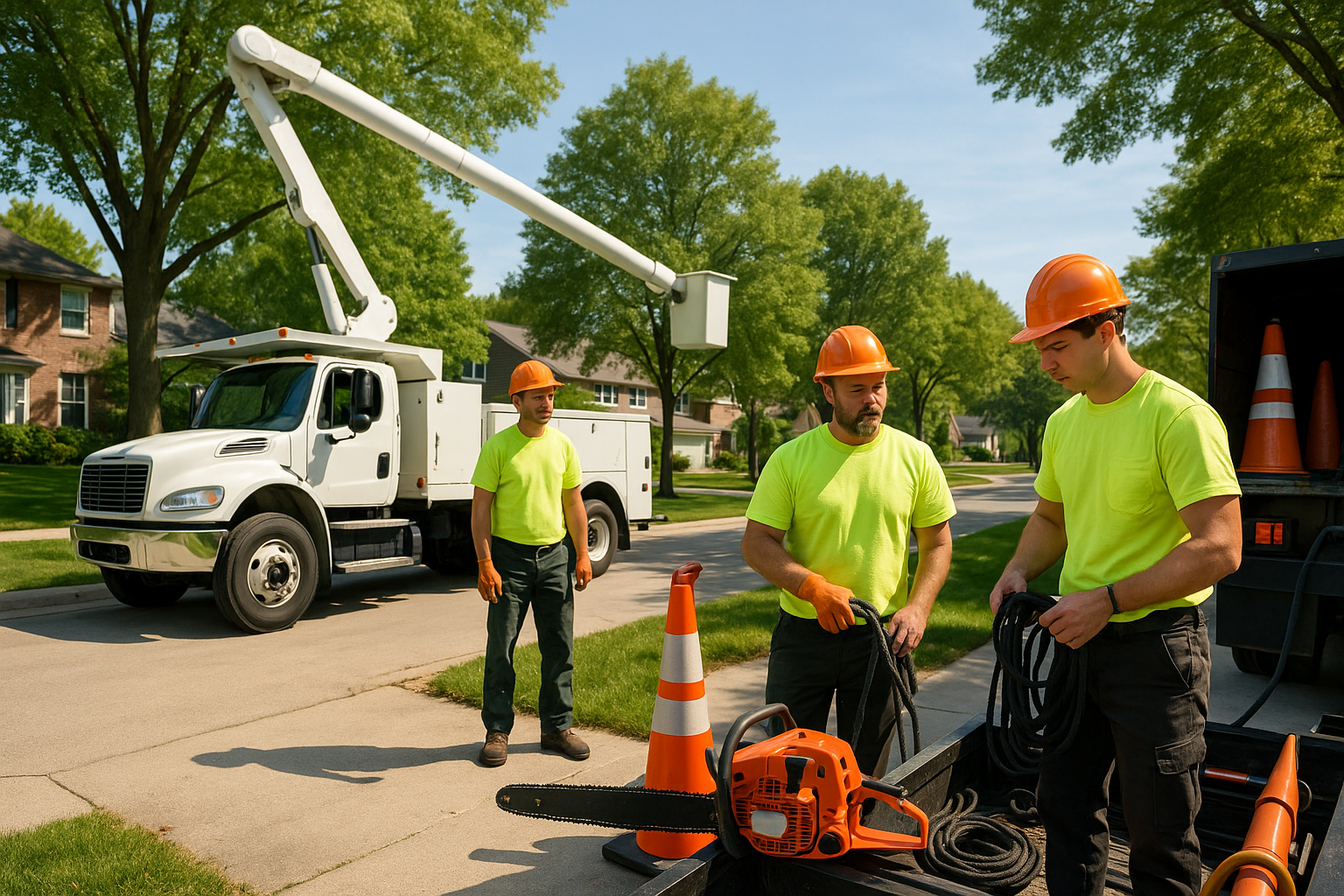
Storm season has a funny way of waking everybody up in Chicagoland. One big wind event, a few trees down in Naperville, Glen Ellyn, Schaumburg, Elgin, or the North Shore, and suddenly phones are ringing like crazy. That’s when tree service owners start calling me too.
Not because the business is slow. The opposite. They’re busy, the crews are moving, the trucks are out, and they’re thinking, maybe this is the time. Maybe I should see what this thing is worth.
If that’s you, good. You built something real. A well-run tree service company in Illinois has a lot going for it: urgent demand, repeat customers, heavy equipment, local name recognition, and work that doesn’t disappear just because people tighten their budgets. Dead ash tree? Storm limb on a roof? Clearance needed before construction or insurance approval? That’s not optional.
But buyers don’t pay the same price for every tree company with the same revenue. Not even close. They look hard at crews, equipment, safety records, repeat work, and how much of the whole operation runs through your head. And when those pieces are organized, the deal gets cleaner. Usually stronger too.
Why buyers like tree service
Tree care is local, necessary, and hard to fake. That’s a great combination.
Buyers like companies that have steady pruning, removals, emergency storm response, municipal work, HOA contracts, commercial property maintenance, plant health care, stump grinding, and residential referrals. That mix matters. It tells a buyer your phone rings for more than one reason.
And unlike some home service businesses, tree work can be urgent. A limb falls. A disease spreads. A property manager needs clearance. A homeowner has a hazard over the driveway. The work has to get done.
That’s attractive. Very attractive.
But let’s be clear. A buyer is going to ask one big question: is this business repeatable after you leave?
If the answer is yes, you’re in a strong spot. If the answer is, well, everything runs through me, that’s fixable. But don’t ignore it.
Separate storm money from steady money
Storm cleanup can make a year look fantastic. I love seeing big years, nobody complains about revenue! But buyers will want to know what caused it.
Was it a normal year with solid repeat work? Or did one nasty storm push emergency revenue way up?
Before you go to market, organize at least three years of revenue by category:
- Residential pruning
- Tree removals
- Emergency storm response
- Commercial maintenance
- Municipal contracts
- HOA work
- Plant health care
- Stump grinding
- Subcontracted work
This is simple, but it’s powerful. It helps buyers see your baseline earning power instead of discounting the whole business because one year looks unusual.
If you’ve got recurring commercial accounts, HOA relationships, property management clients, or municipal work, get the details together. Renewal history. Contract terms. Pricing. Who owns the relationship. Who gets the call when a branch is hanging over a parking lot.
Repeatable work supports value. Every time.
Your crew is a big part of the deal
Labor drives value in a tree service sale. Experienced climbers, crane operators, grounds crew leaders, estimators, dispatch help, and plant health care technicians aren’t easy to replace. Buyers know that.
So don’t just say you have a good crew. Show it.
Put together a confidential staffing summary with:
- Role
- Tenure
- Certifications
- Pay structure
- Full-time or part-time status
- Seasonal status
Don’t hand out employee names early. Bad idea. Tangent Brokerage can show the strength of your team without exposing names before the buyer signs an NDA and proves they’re real.
Now, what if you’re the lead climber, the main estimator, the dispatcher, and the sales engine?
Then we deal with it. The business can still sell. But the buyer may want a longer transition, a key employee retention plan, or some seller financing to feel comfortable. That’s not the end of the world. It’s just deal structure.
Pro tip: Train a second estimator before you sell. Even if they only handle smaller jobs at first, it tells buyers the company isn’t trapped inside your phone.
Get the equipment list tight
Tree service companies are equipment-heavy. That’s part of the appeal. It’s also where buyers love to negotiate if the paperwork is sloppy.
Your equipment schedule should include:
- Bucket trucks
- Grapple trucks
- Chip trucks
- Chippers
- Stump grinders
- Loaders
- Skid steers
- Cranes
- Trailers
- Saws
- Rigging equipment
- Safety gear
For each major asset, list the year, make, model, mileage or hours, loan balance, maintenance history, recent repairs, and estimated fair market value. Also mark what’s owned, financed, leased, or personally owned by you.
If a truck is titled outside the company, fix that conversation early. Don’t let a buyer discover it in due diligence and start wondering what else is messy. That’s a red flag, and it’s avoidable.
The equipment doesn’t need to be brand new. It needs to be believable. Clean records beat shiny paint.
Safety records matter
Tree work is dangerous. Everybody knows it. Buyers know it, lenders know it, insurance people definitely know it.
So safety records aren’t some little side file. They’re part of the value story.
Gather your workers compensation loss runs, general liability history, vehicle accident records, OSHA information, insurance policies, safety manuals, training logs, incident history, and proof of certifications where applicable.
If safety has improved over the last few years, show the trend. Maybe claims dropped. Maybe you added training. Maybe you tightened up PPE rules or equipment checks. Great. That tells a buyer the operation is getting stronger, not just bigger.
A clean or improving safety record gives buyers confidence that earnings aren’t being held up by risky work or weak insurance. It also helps with financing. And financing helps deals close.
Clean financials get you paid
Tree service owners often run normal owner stuff through the business. Some of it may be a valid add-back. Some of it won’t be.
Common add-backs can include excess owner salary, personal vehicle expenses, one-time legal fees, nonrecurring repairs, or family members on payroll who don’t actually work in the business.
But vague add-backs don’t fly. A buyer and lender aren’t going to accept, trust me, that was personal. You need documentation.
Work with your accountant and broker to separate true discretionary expenses from real operating costs. Tangent Brokerage helps owners present financials clearly, with support, so buyers can understand the actual cash flow. Not fantasy numbers. Real numbers.
Make it less dependent on you
You don’t need to disappear from the business before selling. But if every estimate, schedule change, commercial account, and equipment decision runs through you, buyers will notice.
Six to twelve months can make a real difference. Start with a few simple moves:
- Train a second estimator
- Document job intake
- Write down scheduling steps
- Track lead sources
- Assign commercial account contact
- Close monthly financials cleanly
Nothing fancy. Just make the business easier for the next owner to understand and operate.
That’s what buyers pay for. A company, not just a job.
Keep the sale quiet
Confidentiality is huge in tree service. Employees hear a rumor and get nervous. Competitors start talking. Commercial customers wonder if service will change.
Don’t do that to yourself.
A proper sale process releases information in stages. Early materials describe the opportunity without naming your company, exact location, or customer list. After a qualified buyer signs an NDA, they can see more: financial summaries, equipment lists, and operational overviews first. Customer detail, employee specifics, and site visits come later.
That protects you while still giving serious buyers enough to make a strong offer.
What to do next
If you own a tree service company in Chicagoland and you’re thinking about an exit in the next one to three years, start now. Not because you’re in trouble. Because you’ve got something worth preparing correctly.
Clean up the financials. Organize equipment. Pull safety records. Separate storm revenue from repeat work. Reduce the number of things only you can do.
Do that, and buyers can see the real business you built: durable, equipment-backed, locally trusted, and ready for the next owner.
FAQs
How much is my tree service company worth?
It depends on cash flow, equipment, crew strength, safety history, customer mix, and how dependent the business is on you. Clean records make the value much easier to prove.
Will storm-season revenue count in my valuation?
Yes, but buyers will separate one-time storm spikes from repeatable revenue. If you organize three years by category, you make that conversation much easier.
Do I need to own all my equipment to sell?
No. Financed or leased equipment can be handled in the deal. Just document what’s owned, financed, leased, or personally titled before buyers start digging.
Can I sell without telling my employees right away?
Yes. In most cases, you should keep it confidential until the right stage. Buyer screening, NDAs, and staged information release protect the business.
What if I’m still the main estimator or climber?
That’s common. You may need a longer transition, a second estimator, or a retention plan for key people. Fixable stuff, and it can make the exit smoother.
You’ve built a business that keeps Chicagoland properties safe, cleared, and looking right. That has value. If you’re ready to talk about selling, contact Tangent Brokerage at 630-862-5234 or request a free valuation. Let’s see what your tree service company could be worth and what your next chapter might look like.