October 20, 2025
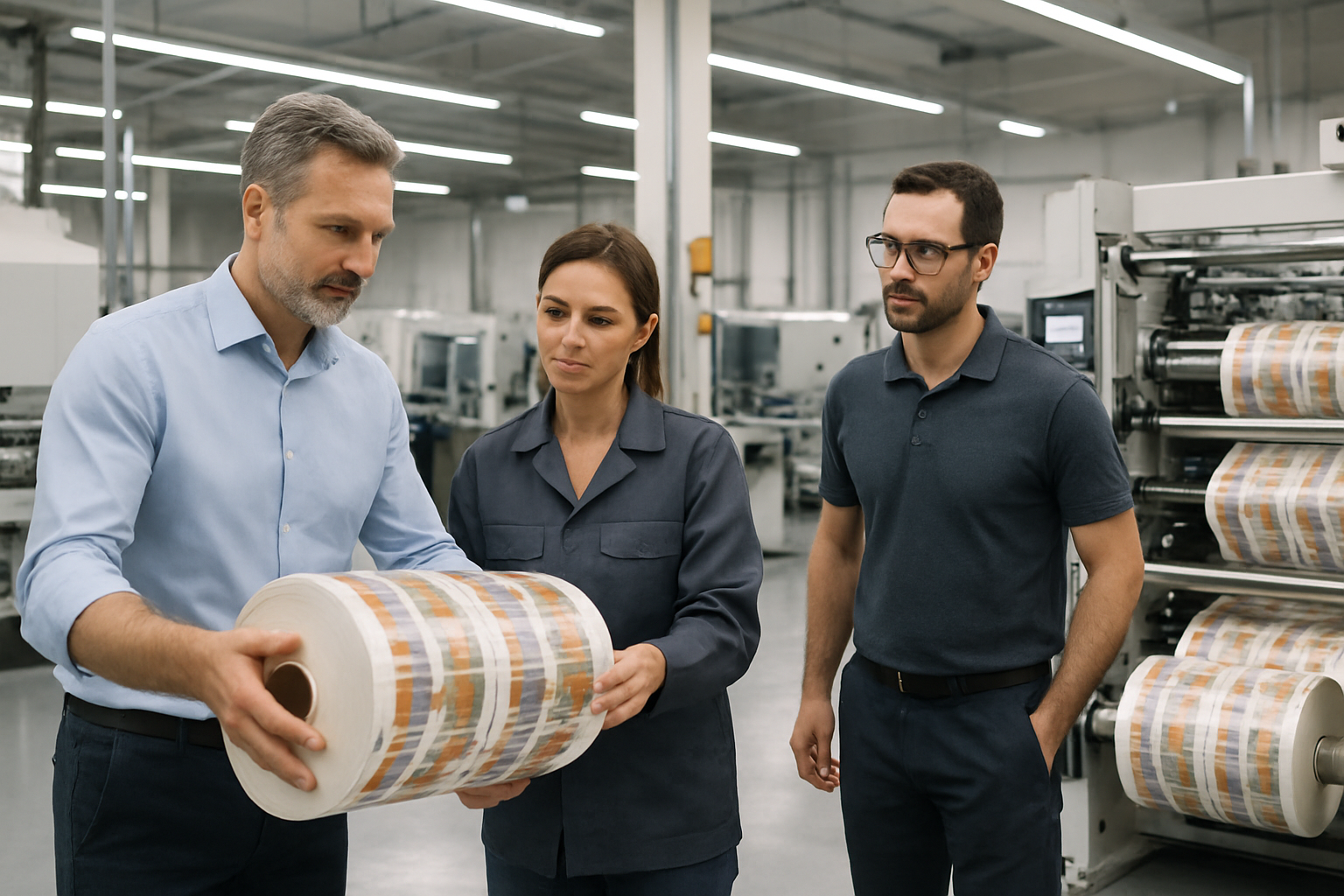
Packaging converters are great businesses to sell when the plant story is clean.
And by clean, I don't mean perfect. I mean a buyer can walk through your numbers, your presses, your customer specs, your inventory, and your team without feeling like they're guessing. That's the difference. A busy shop in Elk Grove Village, Addison, Carol Stream, Elgin, or along the I-88 and I-90 industrial corridors can get real buyer attention, but you need to show the business is more than machines, orders, and owner hustle.
If you own a packaging converter, label printer, folding carton shop, corrugated operation, or flexible packaging business in Chicagoland, you've built something buyers understand. Recurring B2B demand. Customer-specific work. Equipment that would cost a fortune to replace. That's a solid setup! But buyers don't just buy revenue. They buy proof that the plant can keep producing after closing.
At Tangent Brokerage, we see this all the time. Two packaging companies can have the same EBITDA, and one gets more buyer confidence because the owner can explain the operation in plain English with clean backup. Every time.
Can the plant run without you?
This is the big question buyers keep coming back to: Can this business keep producing profitable orders without you solving every problem?
They're going to look at estimating, scheduling, press uptime, vendor relationships, customer files, quality issues, and employee know-how. Not because they're trying to beat you up. Because they're trying to understand what they're really buying.
A packaging company isn't a simple service business. It's asset-heavy. It has production risk, spoilage, custom materials, customer-specific tooling, labor pressure, and machines that need to run right. So buyers connect the dots between equipment capacity, gross margin, customer demand, and the people who make the work happen.
Messy? Fixable. And once it's fixed, your business presents a whole lot better.
What are the presses really doing?
Buyers want to know what each major machine does, how often it runs, and where the bottlenecks are. Simple stuff, but it matters.
For a label or flexible packaging shop, that may mean flexographic presses, digital presses, laminators, slitters, rewinders, plate equipment, inspection systems, and finishing machines. For a folding carton or corrugated business, they'll care about die cutters, folder-gluers, sheeters, printing equipment, and material handling systems.
Before you go to market, build a basic equipment schedule. Nothing fancy. Just useful.
- Age
- Make and model
- Capacity
- Estimated market value
- Debt or lease status
- Maintenance history
- Essential or underused
Buyers don't expect every asset to be shiny and new. They do get nervous when earnings depend on one old machine with no maintenance records, limited replacement options, and one employee who is the only person who can run it. That's a red flag. Not fatal, but it needs a plan.
Also show capacity by shift. If you're running one shift and have room for a second, that's a growth story. If you're already maxed out, buyers will factor in overtime, expansion needs, or new equipment. Better to explain it upfront, you control the story that way.
Are customer specs organized?
Packaging companies live on repeat work. But repeat work only has full value if the job can be repeated without drama.
Buyers will check whether your artwork files, dielines, plates, approved proofs, color standards, SKU-level specs, order history, and quality notes are current and easy to find. If those details are buried in your inbox or sitting in the head of one senior estimator, the buyer sees handoff risk.
Pro tip: Set up customer job folders before buyers ask for them.
Connect those folders to pricing, materials, lead times, margin history, and special compliance needs. This gets even more important when you're serving food, medical, cosmetic, or industrial packaging customers. A wrong spec can mean a claim, a rejected shipment, or a lost account. But organized files? That tells a buyer, "This place knows what it's doing."
Revenue isn't all the same
An $8 million packaging company isn't automatically better than a $5 million one. I've seen smaller companies sell stronger because the revenue was cleaner, stickier, and easier to understand.
What do buyers want to see?
- Repeat customers
- Order history
- Contracts if you have them
- Customer concentration
- Gross margin by account
- Top SKU or product family data
Have sales by customer ready for at least three years. If one customer is 30% or more of revenue, don't panic. It doesn't kill a deal. But you need to explain the relationship, reorder pattern, pricing history, points of contact, and whether that customer is tied to you personally.
If the buyer thinks the customer leaves when you leave, value takes a hit. If you can show multiple contacts, years of reorder behavior, and documented specs, that's a much better story.
Inventory can be money or mud
Inventory is where packaging deals can get chippy. You may see value sitting on the floor. A buyer may see slow-moving stock, expired materials, damaged goods, or custom inventory for one declining customer.
So split it out before the argument starts.
- Usable general materials
- Customer-specific materials
- Work in process
- Finished goods
- Obsolete items
- Consigned or customer-owned inventory
That list alone can save a lot of back-and-forth later. Include substrates, inks, adhesives, plates, dies, cartons, cores, films, paper, and anything else that matters to your work.
Buyers also like to see inventory turns, purchasing practices, vendor minimums, and how you pass price increases through to customers. If resin, paper, or specialty materials move up, can you recover it? Show the history. Real proof beats a good sales pitch.
Your people matter as much as your machines
In a lot of packaging companies, the owner is still quoting, handling customer service, buying materials, scheduling jobs, troubleshooting press issues, or approving work. That's normal. You built it, of course you're involved.
But buyers need to know who keeps the place running.
- Who runs production?
- Who handles estimating?
- Who owns quality?
- Who talks to customers every day?
- Who can fix the machine when it acts up?
Key employee retention can be just as important as equipment condition. Press operators, prepress staff, maintenance people, and production managers may be hard to replace. Buyers may ask for stay bonuses, employment agreements, or a longer transition period from you.
And confidentiality matters. Don't announce a sale to the floor too early. Don't do it. Plan who needs to know, when they need to know, and how the message gets handled.
What should you prepare first?
You don't need a 90-page binder nobody reads. You need clean, practical materials that answer buyer questions fast.
- Three to five years of financials and tax returns
- Trailing twelve-month revenue
- Adjusted EBITDA summary
- Equipment list with maintenance records
- Lease, loan, and debt details
- Customer sales by year
- Margin reports by major account
- Inventory summary by category and aging
- Top vendor list
- Material supply risks
- Artwork, tooling, and spec file overview
- Employee roster by role, tenure, pay, and certifications
- Facility lease details
- Plant layout and expansion limits
- Quality claims, rework trends, and major complaints
That's the kind of package that makes buyers lean in. It says you're not hiding the ball, you're running a real operation.
Who is the right buyer?
For a Chicagoland packaging company, buyers can come from several places. Strategic packaging companies may want capacity, customers, or equipment that fits their plants. Private equity-backed groups may want a platform or add-on. Local manufacturers may want vertical integration. Individual buyers using SBA financing may want clean cash flow and a transition plan they can understand.
Each group looks at the business a little differently. Strategic buyers focus on customer fit and equipment compatibility. Financial buyers focus on management depth and repeat earnings. SBA buyers need lender-supported cash flow and a plan that doesn't depend on you forever.
This is where Tangent Brokerage helps position the business the right way. Not as a pile of machines. As a transferable, running, money-making plant with customers, files, people, and room for the next owner to grow.
FAQs
How long does it take to sell a packaging converter in Chicagoland?
Most solid privately held deals take 6 to 12 months, depending on size, buyer type, financing, and diligence. Cleaner records can shorten the pain points.
Do buyers care more about EBITDA or equipment?
Both. EBITDA sets the value range, but equipment condition, capacity, and maintenance history affect how confident buyers feel about paying that price.
Is customer concentration a deal killer?
Not automatically. If one customer is 30% or more of revenue, you need to show the history, contacts, reorder patterns, pricing, and why that account should stay after closing.
Should I clean up obsolete inventory before selling?
Yes. Separate good inventory from slow, obsolete, damaged, customer-owned, or customer-specific stock. It makes working capital talks much easier.
Can the sale stay confidential?
Yes, and it should. Buyers can be screened, information can be released in stages, and employees usually don't need to know until the timing is right.
Get the plant ready, then go win the deal
You built a real business. Machines, customers, specs, vendors, people, deadlines, late nights, all of it. Now the job is to package that story so a buyer sees what you already know: this company works.
If you're thinking about selling a Chicagoland packaging company, talk with Tangent Brokerage before you start sending numbers around. Call 630-862-5234 or request a free valuation. Let's see what you've built and what your next move could look like.