How We Approach a Business Sale
Every deal is different, but the same handful of factors decide whether a business sells for a fair price or sits on the market. The scenarios below are composite examples drawn from patterns we see across trades and manufacturing sales — they illustrate how we approach common challenges, not a description of one specific past transaction.
Illustrative scenario
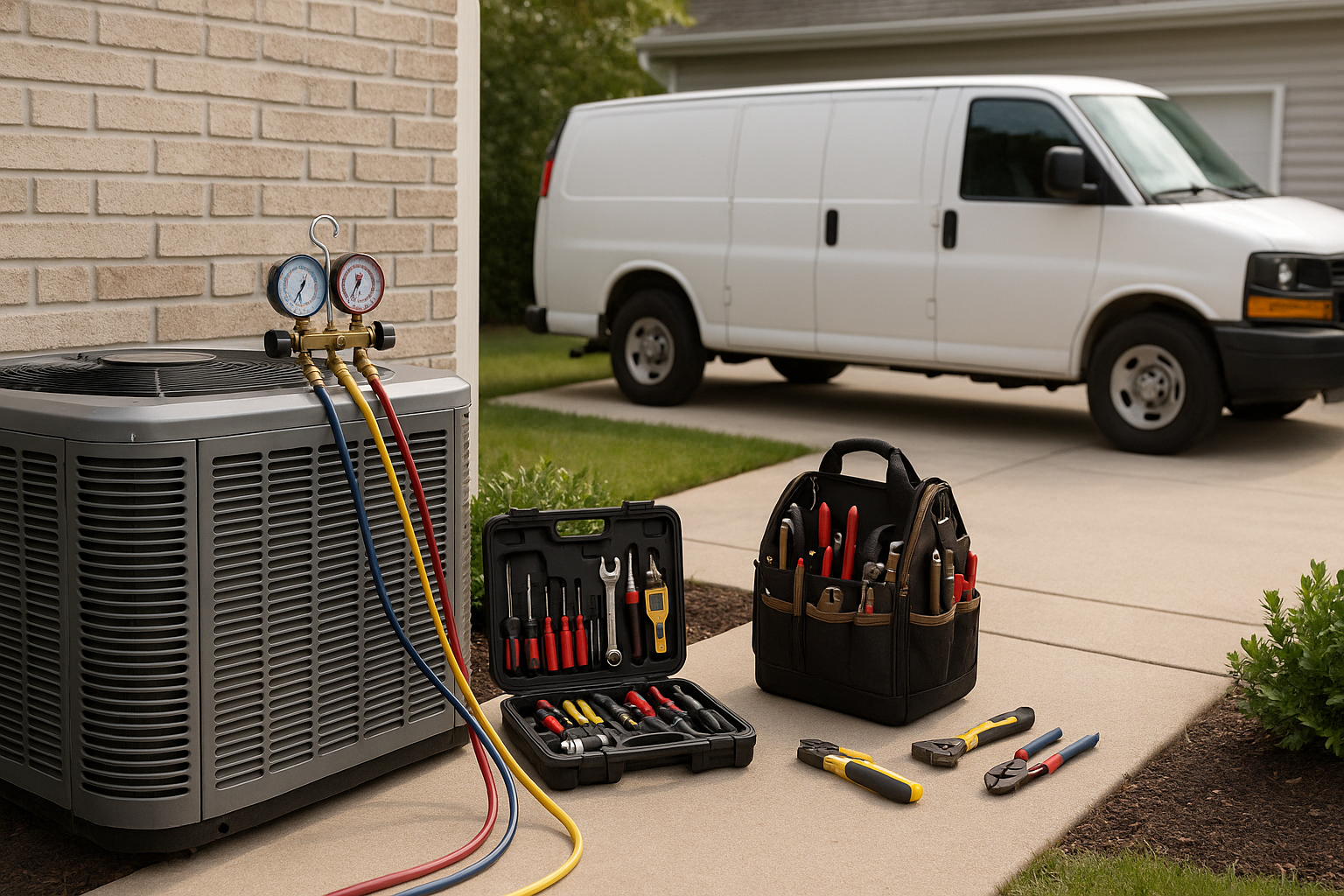
HVAC & HVACR Contractor — DuPage County, IL
The Business
An HVAC and HVACR contractor with a mix of new-install and recurring maintenance-agreement revenue. The owner was ready to retire after more than 20 years running the business.
The Challenge
More than half of revenue came from one-off service calls rather than contracted maintenance agreements, and the owner was still the one signing off on every large job — both factors that suppress the multiple a buyer is willing to offer.
Our Approach
Over several months before listing, we worked with the owner to document the maintenance-agreement base separately from one-off revenue, get a lead technician cross-trained on estimating, and prepare a normalized SDE statement covering three years of financials. Buyers were screened for financing capacity and mechanical-trade experience before receiving detailed financials.
The Outcome
The business went under contract with a buyer who financed the purchase through an SBA loan, closing within the industry-typical 6–12 month window. The owner stayed on for a 30-day transition to introduce the new owner to key commercial accounts.
Illustrative scenario
Steel Fabrication Shop — Northwest Indiana
The Business
A steel fabrication shop serving general contractors and industrial clients, with the majority of revenue coming from a small number of long-standing customers.
The Challenge
Customer concentration was the single biggest risk buyers flagged in early conversations — a handful of GC relationships represented the bulk of revenue, which usually depresses the multiple buyers are willing to offer.
Our Approach
Rather than downplay it, we addressed the concentration directly in the valuation and marketing materials — documenting relationship tenure (in some cases 10+ years), contract renewal history, and the shop's welding certifications that expand the type of work it can bid. This let serious buyers underwrite the risk instead of walking away at first glance.
The Outcome
The shop drew interest from both an individual buyer and a regional fabrication consolidator. It sold to the buyer who could most credibly retain the existing customer relationships, with part of the price structured as a short earn-out tied to customer retention in the first year.
Illustrative scenario
Roofing Company — Chicago suburbs
The Business
A roofing contractor with a mix of storm-repair work and a smaller base of recurring commercial maintenance contracts.
The Challenge
A significant share of the prior year's revenue came from storm-related work following a single major weather event — real revenue, but not something a buyer could count on repeating, which risked understating the durable value of the business if presented at face value.
Our Approach
We built the valuation around a multi-year average and separated storm-driven revenue from the recurring commercial maintenance base, so buyers could see the difference between a one-time spike and the business's actual baseline earning power.
The Outcome
The business sold to a buyer already active in the roofing trade who was specifically looking to add the commercial maintenance contract base, with the deal financed through an SBA loan.
Curious What This Looks Like for Your Business?
Get a free, no-obligation valuation and a conversation about the specific factors that would shape a sale of your business.
Counties We Serve
REQUEST A CALL
CONTACT USHave a Question About Your Situation? Send Us Your Query Below
* indicates required fields