December 15, 2025
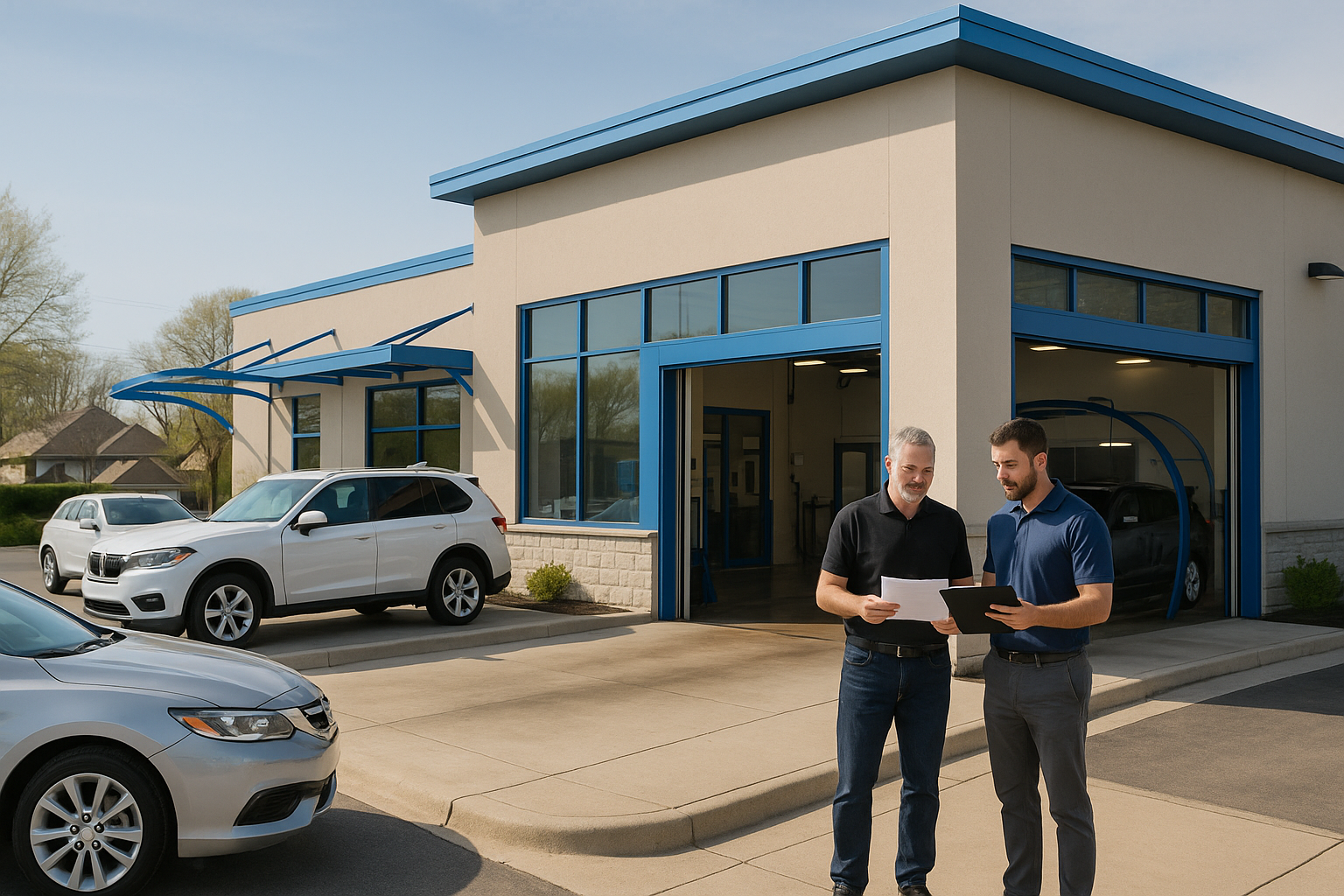
Late summer into fall is when a lot of Chicagoland car wash owners start calling. Why? Because they can see another salt season coming, memberships are either humming or they’re not, and buyers are still looking hard at good wash locations around Illinois. Glen Ellyn, Elgin, the Chicago suburbs, busy corners with strong traffic counts — these are real assets. You built something buyers understand.
But buyers don’t value every car wash the same. Not even close. A modern express tunnel with paid monthly memberships, clean equipment records, and long-term site control gets a very different conversation than a wash with tired machinery, fuzzy environmental files, and sales that jump around every time the weather changes.
If you’re thinking about selling in the next 1 to 3 years, don’t wait until a buyer is already poking around. Get your package ready now. Tangent Brokerage works with privately held business owners across Chicagoland, and car wash deals have their own rhythm. Memberships, equipment, real estate, water, chemicals, labor. Buyers check ALL of it.
Membership money gets attention
Monthly unlimited wash plans can add a lot of value. Buyers like recurring revenue. So do lenders. It means you’re not living only on single-ticket washes and hoping the sun comes out.
But don’t think a buyer will just accept the membership number on your point-of-sale screen and move on. They won’t. They’ll ask:
- How many active members do you have?
- How many joined last month?
- How many canceled?
- How often do they wash?
- What’s the failed payment rate?
- Are the plans actually profitable after credit card fees, chemicals, labor, and utilities?
That last one matters. A big membership count looks great until the buyer sees heavy usage, high chemical costs, and low pricing. Then the smile fades a little. Easy fix, though. Show the numbers cleanly.
Pull reports by month for membership count, new sign-ups, cancellations, average revenue per member, failed payments, and pricing tiers. If your POS can split retail washes, fleet accounts, detailing, vending, and membership billing, export those reports and tie them back to your financials. Clean revenue buckets make buyers comfortable, and comfortable buyers write better offers.
Equipment can move the deal
A car wash buyer isn’t just buying your customer list. They’re buying tunnels, conveyors, reclaim systems, dryers, pumps, arches, pay stations, vacuums, security systems, and sometimes expensive water treatment equipment. That’s a lot of moving parts. Literally.
Deferred maintenance doesn’t kill a deal by itself. I’ve seen plenty of deals close with older equipment. But surprises? That’s where things get messy. If a buyer finds out after the letter of intent that the conveyor needs major work or the reclaim system has been limping along for two years, they’re going to ask for something. Price cut. Escrow. Seller financing holdback. Something.
So get ahead of it. Build an equipment list with:
- Manufacturer
- Age
- Ownership status
- Maintenance history
- Recent repairs
- Known issues
- Recent capital expenditures
Also show whether equipment is owned outright, financed, leased, or tied to a chemical supplier arrangement. Buyers can handle routine maintenance. They expect it. What they don’t like is guessing.
Pro tip: Keep vendor invoices and service contracts in one folder. It’s boring work, it pays you back at closing.
Site control is huge
For many Chicagoland car washes, the real estate is a big piece of the story. Maybe the biggest. Traffic count, ingress and egress, visibility, nearby retail, road construction, zoning, and competing washes all matter.
If you own the property, the deal may include both the operating company and the real estate. That can be a very strong setup. Buyers like control, lenders like hard assets, and the deal has more ways to be structured.
If you lease the site, the lease becomes one of the first things buyers study. Not later. Early.
They’ll look at:
- Remaining lease term
- Renewal options
- Assignment rights
- Rent escalations
- Landlord consent rules
- Exclusivity provisions
- Restrictions on use
A profitable wash with only 2 years left on the lease and no renewal option is tough to finance. That’s not me being negative, that’s just the market. But if you review the lease early with your advisors, you may be able to clean up issues before a buyer ever sees them. Better conversation. Better odds.
Environmental records matter, don’t panic
Car washes use water, chemicals, drainage systems, and sometimes underground infrastructure. Buyers and lenders are going to ask questions. That’s normal. It doesn’t mean there’s a problem.
They may ask for records tied to wastewater handling, permits, water reclamation, oil and grit separators, chemical storage, prior environmental assessments, inspection records, remediation documentation, and any letters or communication with municipal or state agencies.
Do you need to dump every old file on a buyer on day one? No. Don’t do that. But you should know what you have, what you’re missing, and what might need to be gathered before going to market.
Messy records? Fixable. Missing permits? Let’s find out early. Prior environmental report sitting in a cabinet from 2014? Great, pull it. Being ready keeps the deal moving, and that’s the point.
Who runs the wash when you’re gone?
This is a big one. Some car washes are owner-operated down to the last detail. The owner opens, closes, handles cash controls, orders chemicals, talks to vendors, deals with repairs, watches membership billing, and handles customer complaints.
That works while you own it. But a buyer is going to ask the obvious question: what happens when you leave?
If you have a general manager, site supervisors, documented procedures, and trained staff, say so. Show it. If you don’t, start writing things down now. Not a 90-page manual nobody reads. Just practical stuff.
- Opening and closing steps
- Employee roles
- Wage rates
- Schedules
- Training practices
- Cash controls
- Vendor contacts
- Chemical ordering
- Repair process
If you have a reliable manager, be smart about confidentiality (very smart), but think through how that person fits into a transition plan. A wash that can run without you every hour of the day appeals to more buyers. Every time.
Show the seasons clearly
Illinois car wash revenue moves with weather. Snow, salt, rain, road construction, weird warm weeks in February, cold snaps that last too long. Buyers know this, but they still need to see sustainable earnings.
Annual tax returns don’t tell the whole story. Monthly profit and loss statements for at least 3 years are much better if you have them. They show seasonality, weather swings, promotions, chemical costs, utility usage, payroll, and repairs.
Seller discretionary earnings need to be clean too. Legitimate add-backs may include owner compensation adjustments, one-time repairs, nonrecurring professional fees, or personal expenses run through the business. But don’t get cute. Aggressive add-backs hurt trust, and trust is fuel in a deal.
Get this ready before going confidential
- Revenue reports: Memberships, single washes, fleet accounts, detailing, vending, and other income.
- Membership data: Active count, churn, failed payments, pricing tiers, and monthly trends.
- Equipment schedule: Major assets, age, ownership status, maintenance records, and capex.
- Real estate files: Deed, lease, renewal options, tax bills, site plans, and landlord consent rules.
- Compliance records: Permits, wastewater files, environmental reports, inspections, and chemical procedures.
- Operating details: Staffing, manager duties, vendor list, utility history, chemical suppliers, and procedures.
A strong package gets stronger buyers
Selling a car wash isn’t just finding someone who likes your location. The best buyers study recurring revenue, equipment risk, site control, labor, water records, and compliance before they make a serious offer.
And that’s a good thing. Because when your information is organized, you’re not hoping they understand the business. You’re showing them. The story is cleaner, the valuation is easier to defend, and due diligence has fewer chances to turn into a second negotiation.
For owners in Glen Ellyn, Elgin, the Chicago suburbs, and throughout Illinois, confidentiality matters. You don’t want employees, customers, vendors, or competitors hearing about a sale too soon. Tangent Brokerage runs a confidential process so the right buyers get the right information at the right time.
FAQs
How long does it take to sell a Chicagoland car wash?
Most good deals take several months, depending on the financials, real estate, equipment, and buyer financing. If your records are ready, the process usually moves faster.
Do memberships increase the value of my car wash?
Yes, if they’re real, active, and profitable. Buyers will look at churn, failed payments, average revenue per member, and usage.
Can I sell if my equipment is older?
Yes. Older equipment isn’t a deal killer, but you need clear maintenance records and honest notes on known issues.
What if I lease my car wash site?
You can still sell, but the lease matters a lot. Buyers will review the remaining term, renewal options, assignment rights, rent increases, and landlord consent requirements.
Will the sale stay confidential?
It should. A controlled process protects your staff, customers, and competitive position while still getting qualified buyers to the table.
Ready to talk about your wash?
You built a real business. Memberships, machinery, people, systems, location — it all took work. Now you deserve a sale process that shows the value clearly and keeps the momentum moving.
If you’re thinking about selling a car wash in Chicagoland, contact Tangent Brokerage at 630-862-5234 or request a free valuation. Let’s see what your exit could look like, and how to make it a good one.